Ragwort Enforcement Is Back — But Time Is Running Out to Report It This Year
For a year, thousands of British farmers, landowners and horse owners had no official route to force a neighbour to control ragwort spreading onto their land. Now they do — but only until the end of this year’s reporting window, which is due to close within weeks. If ragwort is spreading onto your fields, paddocks or grazing land right now, this is the moment to act — and Eco Control Solutions is here to help you do it properly, safely and in line with the law.
Natural England, the government body responsible for enforcing the Weeds Act 1959 in England, quietly stopped accepting new complaints about ragwort and other “injurious weeds” in September 2025. It reopened the complaints process on 1 April 2026 after sustained pressure from the Countryside Alliance and equine welfare charities — but the standard reporting season runs only through the autumn, meaning anyone still dealing with an infestation spreading from neighbouring land needs to act now, not next spring.
Why a Suspended Complaints Process Alarmed the Horse World
The trouble began when Wiltshire farmer Christopher Jenkin, a Countryside Alliance member, tried to report ragwort spreading from a neighbouring field onto grazing land used for horses and sheep. He discovered Natural England had stopped dealing with new complaints entirely, with no alternative process in place.
The British Horse Society’s South West region went public with its concerns soon after, warning of the “impact on horse welfare due to ragwort spreading into fields for forage production and into fields where horses and/or livestock graze.” The organisation confirmed it would lobby government and policymakers to reinstate enforcement in high-risk areas, and urged worried owners to contact their MPs directly.
The Countryside Alliance kept up pressure through the winter, and in December 2025 a written parliamentary question from South Cotswolds MP Dr Roz Savage forced Defra to confirm a fix was coming. Government guidance was duly updated to reopen complaints under the Weeds Act from 1 April 2026, with Natural England pledging to respond to valid complaints within ten working days. James Legge, the Countryside Alliance’s director of public affairs, said the group had been “deeply concerned at the sudden suspension of the complaints process” and had pushed to get it reversed to give “much needed clarity to farmers and landowners.”
It’s a welcome fix — but it also underlines a point Eco Control Solutions makes to every client: relying on enforcement action alone means waiting on a ten-working-day response window during a plant’s peak flowering and seeding period. The landowners who come out ahead are the ones who get infestations under control before a complaint is ever needed.
Why Ragwort Is Treated So Seriously in the First Place
Common ragwort (Senecio jacobaea) is one of just five plants formally classed as an “injurious weed” under the Weeds Act 1959, alongside species like spear thistle and curled dock. It’s a biennial: a low rosette in its first year, followed by a much taller plant with distinctive yellow flowers, typically blooming from June through November.
The danger lies in pyrrolizidine alkaloids, toxins the plant produces that cause cumulative, irreversible liver damage in horses, cattle and other grazing animals. According to veterinary guidance, the effects aren’t immediate — they build up over time until the liver’s reserves are exhausted, at which point symptoms can appear suddenly: weight loss, lethargy, jaundice, sensitivity to sunlight and, in severe cases, neurological signs such as head-pressing, disorientation and collapse.
What makes ragwort particularly hazardous is that horses generally avoid eating it fresh, thanks to its bitter taste — but that bitterness disappears once the plant is cut, wilted or dried. That means the real danger often isn’t a horse grazing around ragwort in a paddock, but ragwort that’s been baled into contaminated hay, where it’s harder to spot and no longer avoided. Defra’s Code of Practice on How to Prevent the Spread of Ragwort, first published in 2004 and still in force, warns that even humans handling the plant by hand can be at some risk — one of many reasons hand-pulling large infestations is a job best left to a trained team with the right protective equipment.
Not Everyone Agrees It Should Be Eradicated Outright
The picture isn’t entirely one-sided. Conservation groups, including Friends of the Earth, have pushed back on what they call exaggerated ragwort scaremongering, pointing out that it’s a valuable native wildflower supporting more than 30 species of pollinator, including the cinnabar moth and several rare bees. The British Veterinary Association’s Malcolm Morley strikes a similar balance, noting that ragwort has “a place in the ecosystem” away from grazing land and forage production, and that the priority should be management in high-risk areas rather than blanket removal everywhere it grows.
That’s exactly the approach Eco Control Solutions takes with every site we manage: targeted, risk-based control where ragwort threatens grazing animals or forage, not indiscriminate clearance of every yellow flower on the land. It’s better for your animals, better for local pollinators, and it keeps you firmly on the right side of the Weeds Act.
How Eco Control Solutions Can Help Before the Window Closes
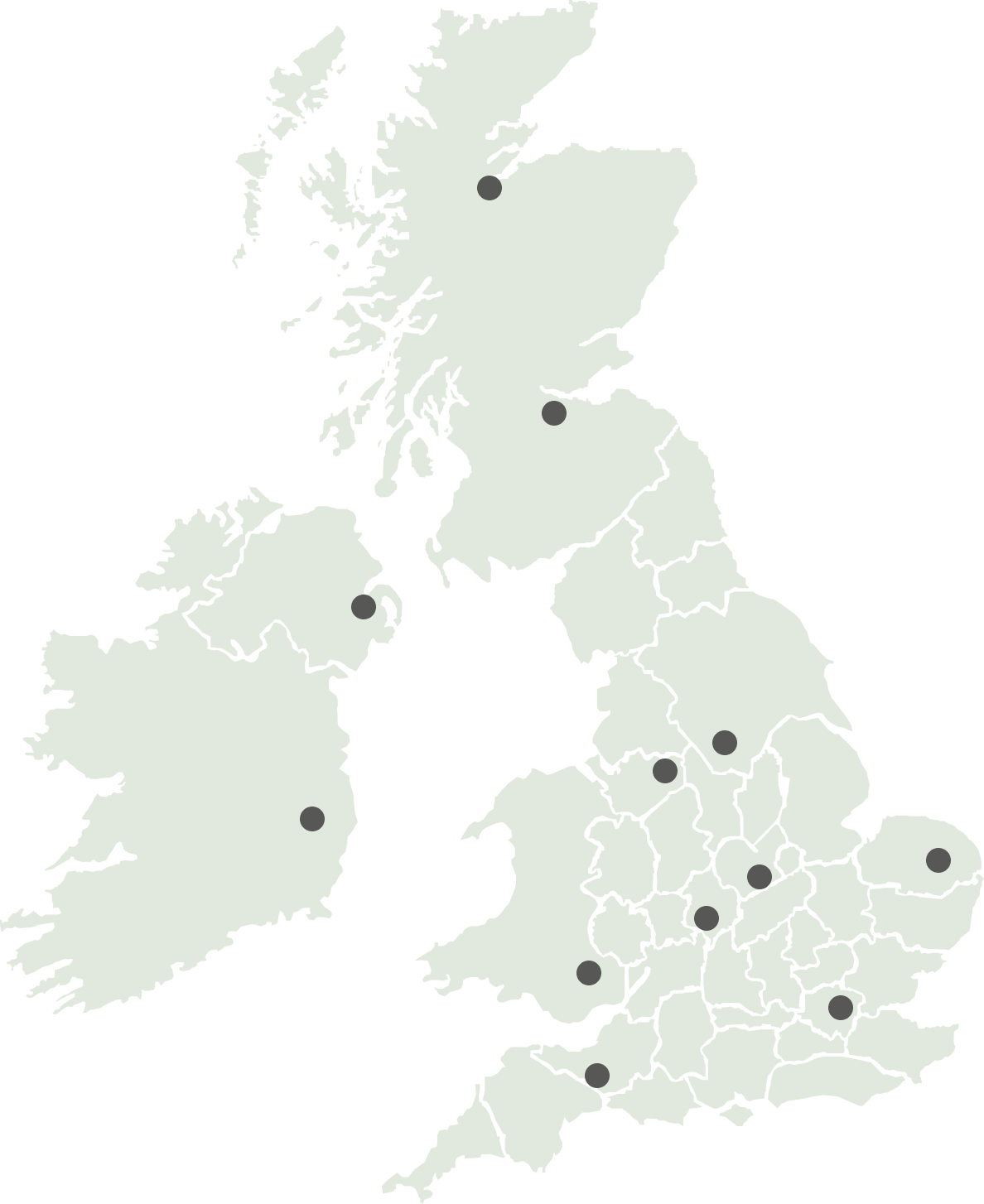
Reporting a neighbour to Natural England should be a last resort, not a first step — and if the infestation is on your own land, it’s entirely your responsibility to deal with regardless. That’s where we come in. Eco Control Solutions operates across the whole of the UK, so wherever your fields, yard or farm are based, our team offers:
- Site surveys to identify the scale of a ragwort problem and the safest, most effective removal method for your land.
- Professional, root-and-all removal carried out by trained operatives using the correct protective equipment — reducing regrowth risk far more effectively than DIY strimming or mowing, which can spread seed and leave the toxin-producing root intact.
- Safe disposal of pulled ragwort, keeping it well away from grazing areas, hay stores and silage.
- Ongoing management plans for high-risk fields, so ragwort is caught and controlled at the rosette stage next year — before it ever reaches flower.
- Neighbour liaison and documentation support, giving you a clear paper trail of dates, photos and treatment records if a Weeds Act complaint does become necessary.
- Biodiversity-conscious control, leaving ragwort to thrive in non-grazing corners of your land where it isn’t a risk to livestock.
Don’t Wait for the Complaints Window — or the Next Growing Season
This year’s Weeds Act reporting window won’t stay open forever, and neither will the current flowering ragwort on your land — it will seed, spread, and come back stronger next year if left unmanaged. Whether you need a single field cleared, an ongoing management contract, or just an expert opinion on how serious your ragwort problem really is, Eco Control Solutions is ready to help.
Get in touch today for a free, no-obligation site survey and quote — wherever you’re based in the UK.